

New Delhi, [India] June 11 (ANI): India is gradually expanding its role in the global electric vehicle (EV) supply chain, with the potential to become a primary manufacturing hub and major exporter of lithium-ion batteries, according to Avinash Sharma, Co-founder and CEO of ElectricPe.
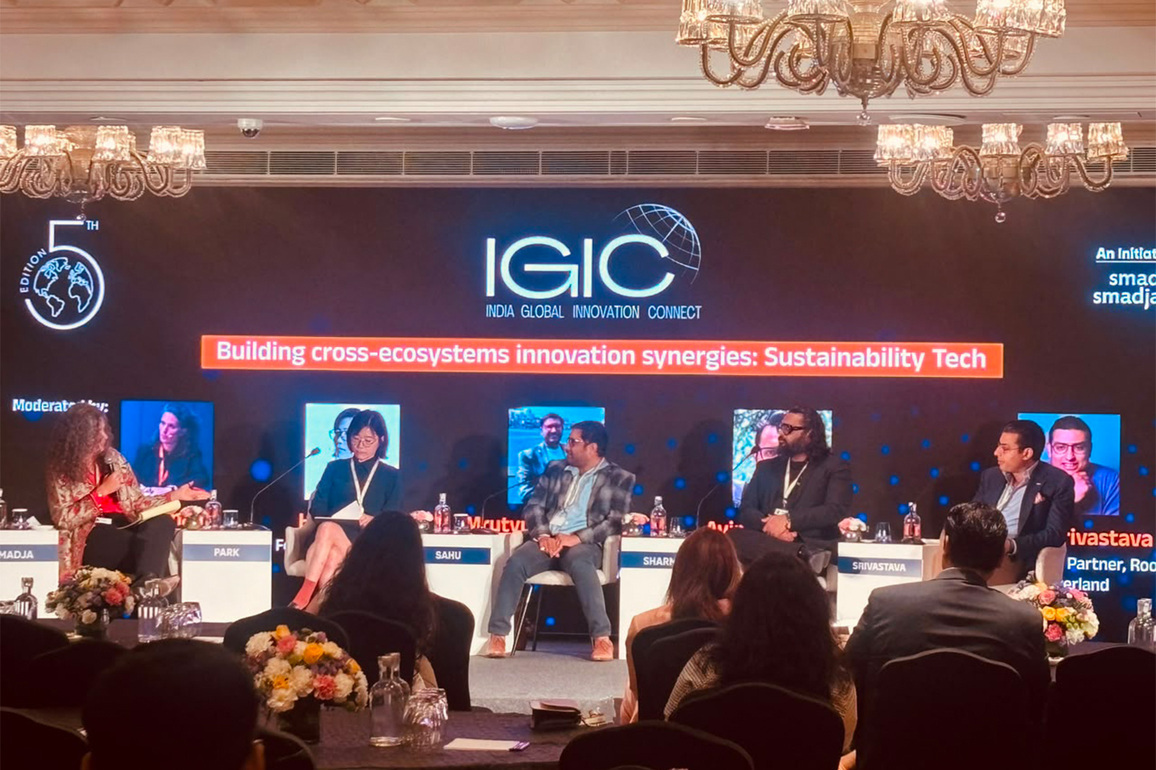
Speaking on the sidelines of a sustainability panel in New Delhi on Thursday, Sharma emphasised that a potent combination of government policy, investor appetite, and startup innovation is positioning India to move beyond domestic self-sufficiency toward global market leadership.
'The government's aim is for Indian manufacturers not only to meet domestic demand for lithium and batteries but also to become global exporters. Over time, I see India becoming a manufacturing hub and a global exporter, particularly of lithium-ion batteries,' Sharma told ANI.
Sharma credited the government's Production-Linked Incentive (PLI) schemes for creating the necessary industrial backbone to spur domestic production. He noted that significant manufacturing capacity has already been established, with major industrial players like the Tata Group successfully qualifying under the scheme.
According to Sharma, the current policy framework is strategically designed to fortify India's manufacturing ecosystem, effectively lowering the nation's historical reliance on imported battery technology.
Addressing long-standing concerns regarding the cost of electric mobility, Sharma asserted that the narrative of EVs being a 'premium' choice is becoming obsolete.
'The India story around sustainability, specifically electric vehicles, is very strong and there is a lot of policy interest, policy support, investor interest, investor support as well as startups who are going to build this out. So, it is good news for us,' he said.
Sharma said government initiatives such as the Faster Adoption and Manufacturing of Electric Vehicles (FAME) scheme and PLI programmes have helped drive customer demand and support industry growth. He added that startups now have an important role to play in ensuring that products, services and systems are available to facilitate EV adoption.
On charging infrastructure, Sharma said the focus should be on reliability and user experience rather than merely increasing the number of charging stations.
'More than having a number of charging stations, what is important is reliability -- is a charging station working, is it dispensing the right amount of fuel, and is it doing the right billing,' he said.
He said ElectricPe has developed a platform that helps users locate nearby charging stations for two-wheelers, three-wheelers and four-wheelers, while also enabling charging operations, accurate measurement of charging consumption and seamless digital payments.
Addressing concerns about EV affordability, Sharma said the perception that electric vehicles command a premium over petrol vehicles is increasingly outdated.
'This was true five years ago. The government bridged this gap by providing FAME subsidies. Today, however, an electric vehicle comes at par or maybe even at a lower cost in comparison to a petrol vehicle,' he said.Sharma said electric scooters offered by the company are available at nearly 20 per cent lower upfront cost than comparable petrol-powered two-wheelers.
On industry challenges, Sharma said India sells around 20 million two-wheelers annually, presenting a significant market opportunity, but the key task remains building consumer confidence in electric mobility.
'The real challenge is how do you build trust in the person who is the most important here, which is the end customer. Trust that buying and owning an electric vehicle is not a lab experiment, but it's the de facto way of living life,' Sharma said. (ANI)