

Iran's chief negotiator said Tuesday that Washington must accept Tehran's latestpeaceplan or face failure, after US PresidentDonald Trumpwarned thetrucein theMiddle Eastwar was on the brink of collapse.
The war, which erupted more than two months ago with US-Israeli strikes onIran, has spread throughout the Middle East and roiled the globaleconomydespite theceasefire, impacting hundreds of millions worldwide.
Both sides have refused to make concessions and repeatedly threatened to resume fighting, but neither appears willing to return to all-out war.
"There is no alternative but to accept the rights of the Iranian people as laid out in the 14-point proposal. Any other approach will be completely inconclusive; nothing but one failure after another," Mohammad Bagher Ghalibaf said in a post on X.
"The longer they drag their feet, the more American taxpayers will pay for it."
ThePentagonsaid on Tuesday that the cost of the war had climbed to nearly $29 billion about $4 billion higher than an estimate offered two weeks ago.
Iransent its latest proposal in response to an earlier US plan, details of which remain limited. Media reports have said the American plan involved a one-page memorandum of understanding aimed at ending the fighting and establishing a framework for negotiations onIran's nuclear programme.
Iran's foreign ministry said its response called for ending the war on all fronts, including inLebanon, halting the US naval blockade of Iranian ports and securing the release of Iranian assets frozen abroad under longstandingsanctions.
But Trump slammed Tehran's reply as "TOTALLY UNACCEPTABLE", saying the United States would enjoy a "complete victory" overIranand that the truce that has halted fighting for over a month was on its last legs.
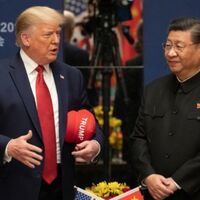
The US president subsequently said ahead of his Tuesday departure for a trip toChinathat he would have a "long talk" with counterpartXi JinpingaboutIran, but that he does not needBeijing's help to end the war.
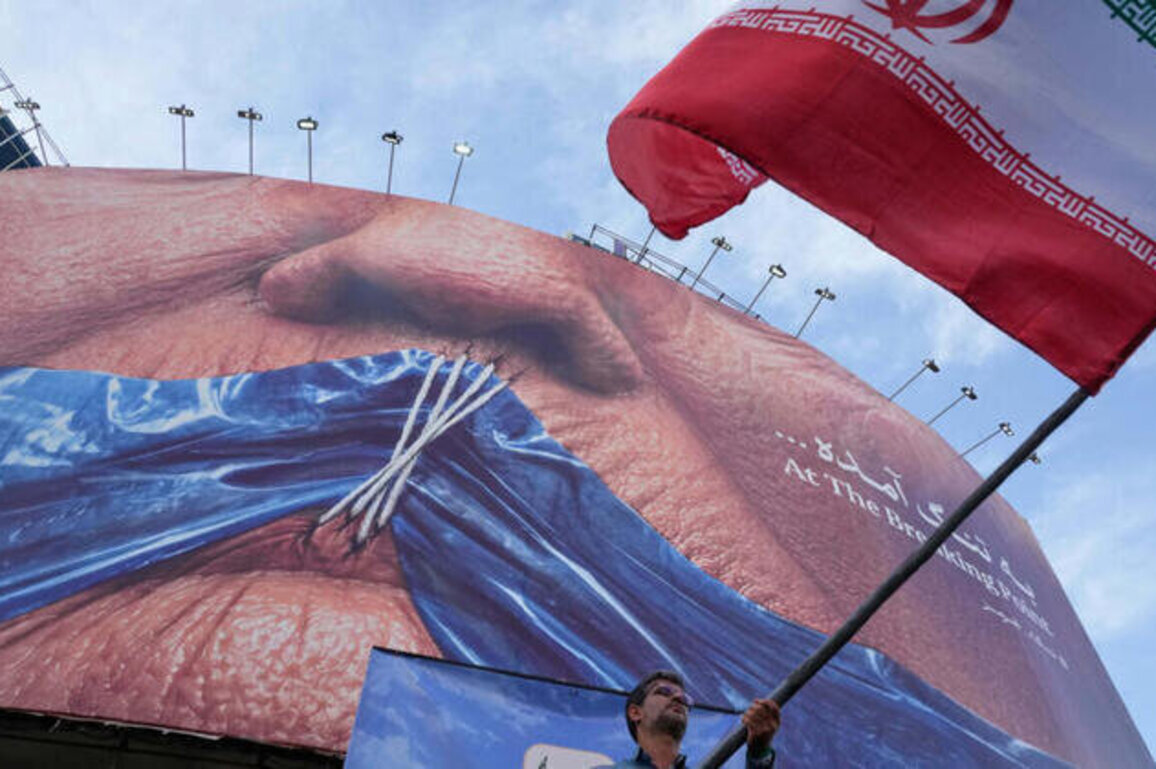
In a show of defiance,Iran's Revolutionary Guards said they carried out drills in Tehran aimed at "enhancing combat capability to confront any movement of the American-Zionist enemy", statemediareported Tuesday.
Defence Ministry spokesman Reza Talaei-Nik said that if the US "does not submit to the rightful and definitive demands of the Iranian nation in the diplomatic arena, it should expect a repeat of its defeats on themilitarybattlefield".
'Living day to day'
The war of words has unnerved people inIranwho do not know what the coming months will bring.
"We are just trying to dig our nails into anything that could help us survive. The future is so uncertain and we are just living day to day," Maryam, a 43-year-old painter from the capital Tehran, told Paris-based journalists.
"We are trying to find a way to continue. Keeping hope is very difficult right now."
Trump's angry reaction toIran's counteroffer sparked a spike in oil prices and dashed hopes that a deal could be quickly negotiated to reopen theStrait of Hormuzto commercialshipping.
Iranis restricting maritimetrafficin the waterway and has been setting up a payment mechanism to chargetollsfor crossing ships, sparking a global energy crisis that the head of Saudi oil giant Aramco has described as the largestenergysupply shock "the world has ever experienced".
The New York Times reported Tuesday that classified US intelligence assessments say Iran still has substantial missile capabilities with about 70 percent of its mobile launchers and pre-war missile stockpile still in action and has restored access to 30 of 33 missile sites along the Strait of Hormuz.
US officials have stressed it would be "unacceptable" for Tehran to maintain control of the strait, which usually carries about a fifth of the world's oil and natural gas.
Qatari foreign minister Sheikh Mohammed bin Abdulrahman Al Thani said Tuesday that "Iran should not use this strait as a weapon to pressure or to blackmail the Gulf countries".
Sanam Vakil, director of theMiddle Eastand NorthAfricaProgramme at the Chatham House think tank, saidIran's leaders "think they can outlast Trump."
Tehran was "committed to negotiations", Vakil added, but wanted "to extract concessions because of their improved hand".
Meanwhile, Defence Minister Richard Marles said Australia will join a "strictly defensive" mission led by France and Britain to secure shipping through the strait, once it is established, and contribute a surveillance aircraft to protect the United Arab Emirates from Iran drone attacks.
Battlefield 'hell'
On the war's Lebanon front, deadly Israeli strikes continued in the south on Tuesday, according to the health ministry, as fighting wore on despite a ceasefire agreement.
Israel has intensified its attacks as it trades fire withIran-backed Hezbollah even after the April 17 truce.
Israeli strikes in south Lebanon killed 13 people including a soldier, a child and two rescue workers on Tuesday, the country's health ministry said.
Lebanon's health minister said earlier in the day that more than 2,880 people had been killed since the country was dragged into the wider war on March 2 including 380 since the truce took hold.
HezbollahchiefNaim Qassemsaid on Tuesday his group'sweaponswere not part of a third round of upcoming negotiations between Lebanon and Israel this week, vowing not to surrender "however great the sacrifices".
"We will not abandon the battlefield and we will turn it into hell forIsrael," he said in a statement.
(FRANCE 24 with AFP)
Originally published on France24